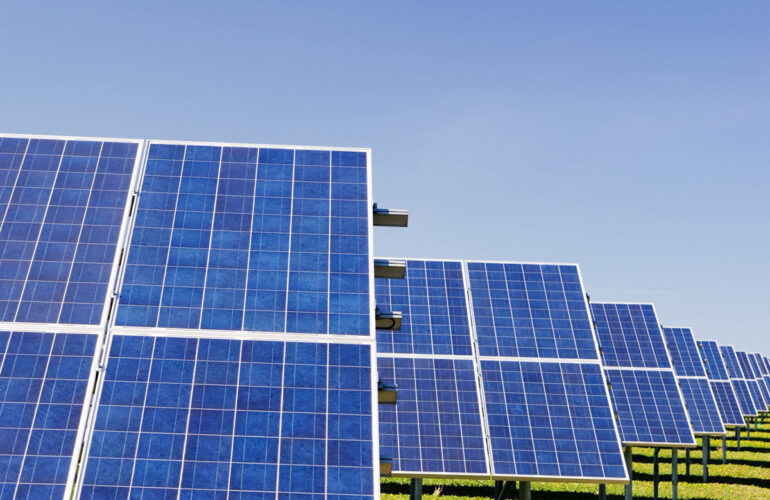
Rising electricity prices, growing environmental awareness, and advances in renewable technology are encouraging homeowners to rethink how they power their homes. Among the many sustainable solutions available today, solar energy has emerged as one of the most practical and accessible options for residential properties. Modern solar panel installation systems allow households to generate clean electricity, reduce dependence on conventional power grids, and significantly lower long-term energy costs.
Over the past decade, technological innovation has transformed the residential solar industry. Early solar systems were often expensive, inefficient, and complicated to install. Today, however, cutting-edge photovoltaic technology, smart monitoring tools, energy storage solutions, and improved installation techniques have made solar power more efficient, affordable, and user-friendly than ever before. As technology continues to evolve, residential solar power is becoming a cornerstone of sustainable living. Homeowners now have the opportunity to transform their homes into self-sufficient energy systems while contributing to a cleaner and more resilient energy future.
The Evolution of Residential Solar Technology
Residential solar technology has advanced rapidly in recent years. Earlier photovoltaic systems had limited efficiency and required larger roof areas to generate sufficient electricity. Today’s solar panels are designed using high-efficiency photovoltaic cells that can capture more sunlight and convert it into usable energy.
Several innovations have contributed to this transformation:
- Monocrystalline solar panels with higher energy efficiency
- Advanced inverters that convert solar energy more efficiently
- Improved panel durability and weather resistance
These improvements allow homeowners to generate more electricity even with limited roof space, making solar installation practical for a wider range of residential properties.
Smart Solar Panels and Improved Efficiency
Modern solar panels are significantly more efficient than older models. Advances in photovoltaic cell design allow panels to convert a greater percentage of sunlight into electricity.
Key efficiency improvements include:
PERC Technology
Passivated Emitter and Rear Cell (PERC) technology enhances the ability of solar panels to absorb sunlight and reduce energy loss.
Half-Cut Cell Technology
Solar cells are cut in half to reduce electrical resistance and improve power output.
Multi-Busbar Designs
Additional busbars improve electrical flow and reduce resistance losses.
These technological enhancements allow residential systems to generate higher energy output while maintaining compact panel designs.
The Rise of Solar Battery Storage
One of the most transformative developments in residential solar energy is battery storage technology. Traditionally, solar systems only generated electricity during daylight hours, and excess energy was sent back to the grid.
Modern solar batteries allow homeowners to:
- Store unused solar energy
- Use stored power at night
- Maintain electricity during outages
- Reduce reliance on the power grid
Lithium-ion batteries have become the preferred storage solution due to their efficiency, longer lifespan, and compact design. With battery storage, homes can function almost like mini power plants, generating and storing their own electricity.
Smart Energy Management Systems
Another major advancement in residential solar installation is the integration of smart energy management systems. These systems use digital monitoring platforms and AI-driven software to track solar performance and energy consumption.
Homeowners can now monitor their systems through smartphone apps that display:
- Real-time energy production
- Household electricity consumption
- Battery storage levels
- Grid usage patterns
This transparency allows homeowners to adjust their energy usage and maximise the efficiency of their solar systems.
For example, smart systems can automatically prioritise solar energy use for appliances during peak sunlight hours. This helps homeowners minimise electricity costs and reduce dependence on the grid.
Microinverters and Power Optimisers
Traditional solar systems relied on a central inverter to convert energy from all panels at once. However, modern solar panel installers near me often use microinverters or power optimisers.
These technologies offer several advantages:
Microinverters
Each panel has its own inverter, allowing it to operate independently.
Benefits include:
- Higher overall system efficiency
- Improved performance in shaded areas
- Easier monitoring and maintenance
Power Optimizers
Both technologies ensure that one underperforming panel does not reduce the output of the entire solar array.
Faster and More Flexible Installation Techniques
Modern installation methods have also improved significantly. Installers now use advanced mounting systems and digital design tools to streamline the installation process.
Drone Roof Assessments
Installers can use drones to analyse roof dimensions, shading patterns, and installation feasibility.
3D Solar Design Software
Engineers create detailed system designs that optimise panel placement for maximum sunlight exposure.
Improved Mounting Systems
New racking systems allow faster and more secure installations while protecting roof structures.
These advancements have reduced installation time and improved system reliability.
Environmental Benefits of Residential Solar Power
Solar energy offers significant environmental advantages. By generating electricity from sunlight, homeowners can reduce their carbon footprint and contribute to cleaner energy production.
Some key environmental benefits include:
- Reduced greenhouse gas emissions
- Lower dependence on fossil fuels
- Reduced air pollution
- Sustainable energy generation
Over the lifespan of a solar system, a typical household can prevent several tons of carbon emissions from entering the atmosphere.
Financial Benefits for Homeowners
Beyond environmental benefits, Solar Panel Installation offers strong financial advantages for homeowners.
Lower Electricity Bills
Solar systems reduce monthly electricity expenses by generating free energy from sunlight.
Energy Independence
Homeowners gain protection from rising electricity prices by producing their own power.
Long-Term Savings
While installation requires an upfront investment, most solar systems pay for themselves through energy savings over time.
The Future of Residential Solar Energy
The future of residential solar technology looks promising as innovations continue to emerge. Researchers and manufacturers are exploring solutions that could make solar systems even more efficient and accessible.
Future developments may include:
- AI-powered energy forecasting systems
- Improved battery storage capacity
- Perovskite solar cells with extremely high efficiency
These innovations could further accelerate the adoption of solar energy in residential communities worldwide.
As technology continues to evolve, solar power will play a critical role in shaping sustainable energy systems for future generations.
Wrapping Up
Modern technology has revolutionised solar panel installation for residential properties. With advancements in photovoltaic efficiency, smart energy monitoring, battery storage, and installation techniques, solar energy has become more practical and beneficial for homeowners than ever before.
For homeowners interested in exploring modern solar solutions, platforms like Bag Full Offers provide valuable resources and options for solar panel and battery installations. With the right system in place, households can harness the power of the sun and move toward a more energy-efficient and environmentally responsible lifestyle.